Sauna Business Insurance Explained
Insurance is one of the least visible parts of running a sauna business and one of the most consequential. A wood-fired sauna combines solid-fuel combustion, deliberate heat exposure, cold-water immersion, and — for many operators — trading on land you do not own. That is a specific risk profile, and generic small-business insurance is not written for it.
This guide explains the cover a UK sauna operator actually needs, what underwriters ask for, roughly what it costs, and — most usefully — where policies fail. Most insurance problems in this sector are not about having no policy. They are about having a policy that does not match how the business actually operates, which only becomes apparent at claims time.
It applies to both fixed-site and mobile operators. Business setup more broadly — company formation, planning, regulation — is covered in the general sauna business guide and the mobile sauna business guide.
Why standard business cover is not enough
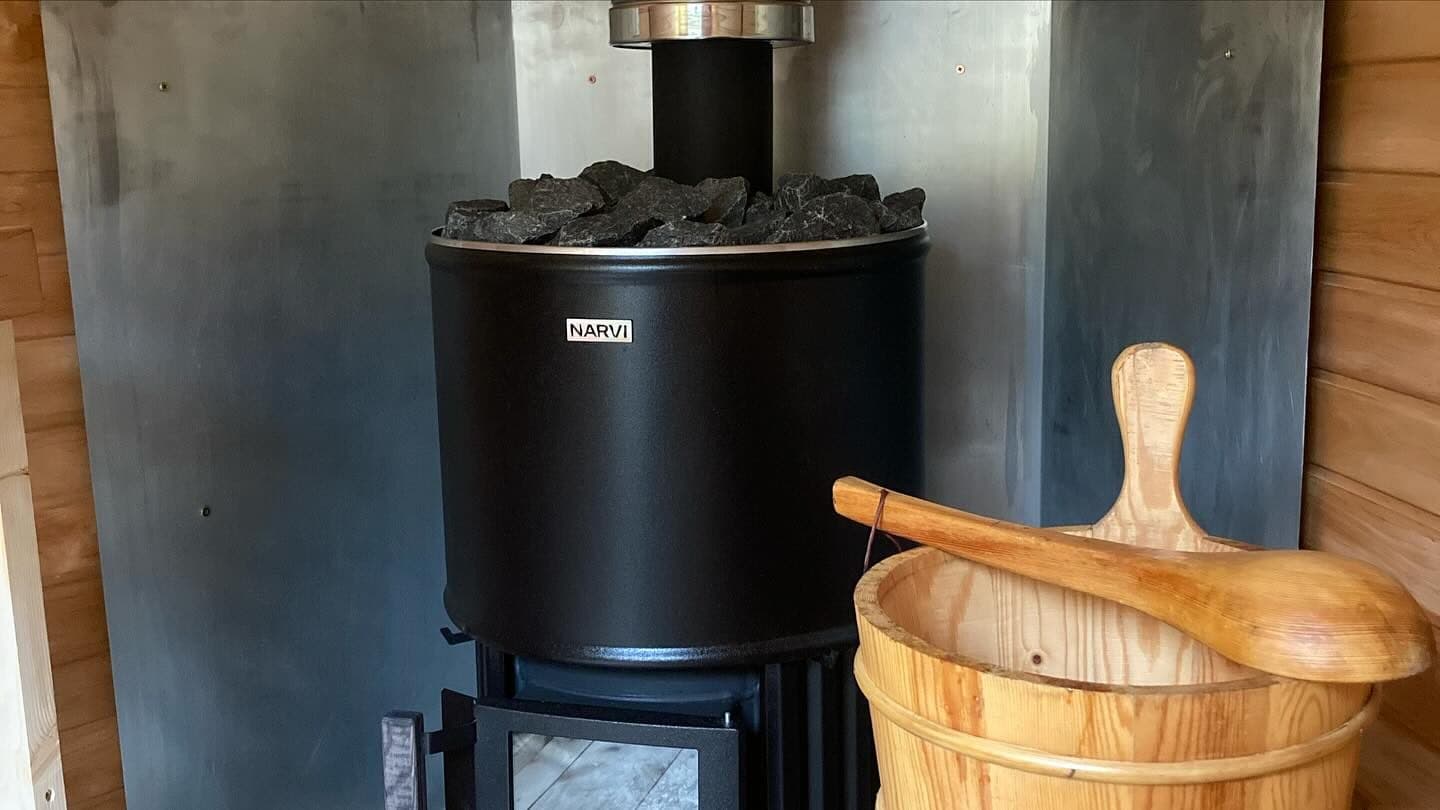
A standard commercial combined policy assumes an office, a shop, or a workshop. A sauna business asks an insurer to cover a wood-burning stove running at full heat for hours at a time, members of the public sitting in temperatures above 80°C, optional immersion in cold water, and — for mobile operators — all of it being towed along public roads and set up on beaches, farms and festival fields.
None of that is exotic to a specialist underwriter, but all of it must be declared precisely. Insurers price and cover what is on the schedule. A policy arranged for "leisure services" that does not name wood-fired heat, cold-water immersion, or your actual trading locations may respond to a claim slowly, partially, or not at all.
The practical consequence: buy through someone who knows the sector, and describe the operation exactly as it runs — stove type, session format, capacity, cold water, locations, staffing. The specialist market is small but established, and the British Sauna Society maintains a broker directory (see the final section).
Public liability — the core cover
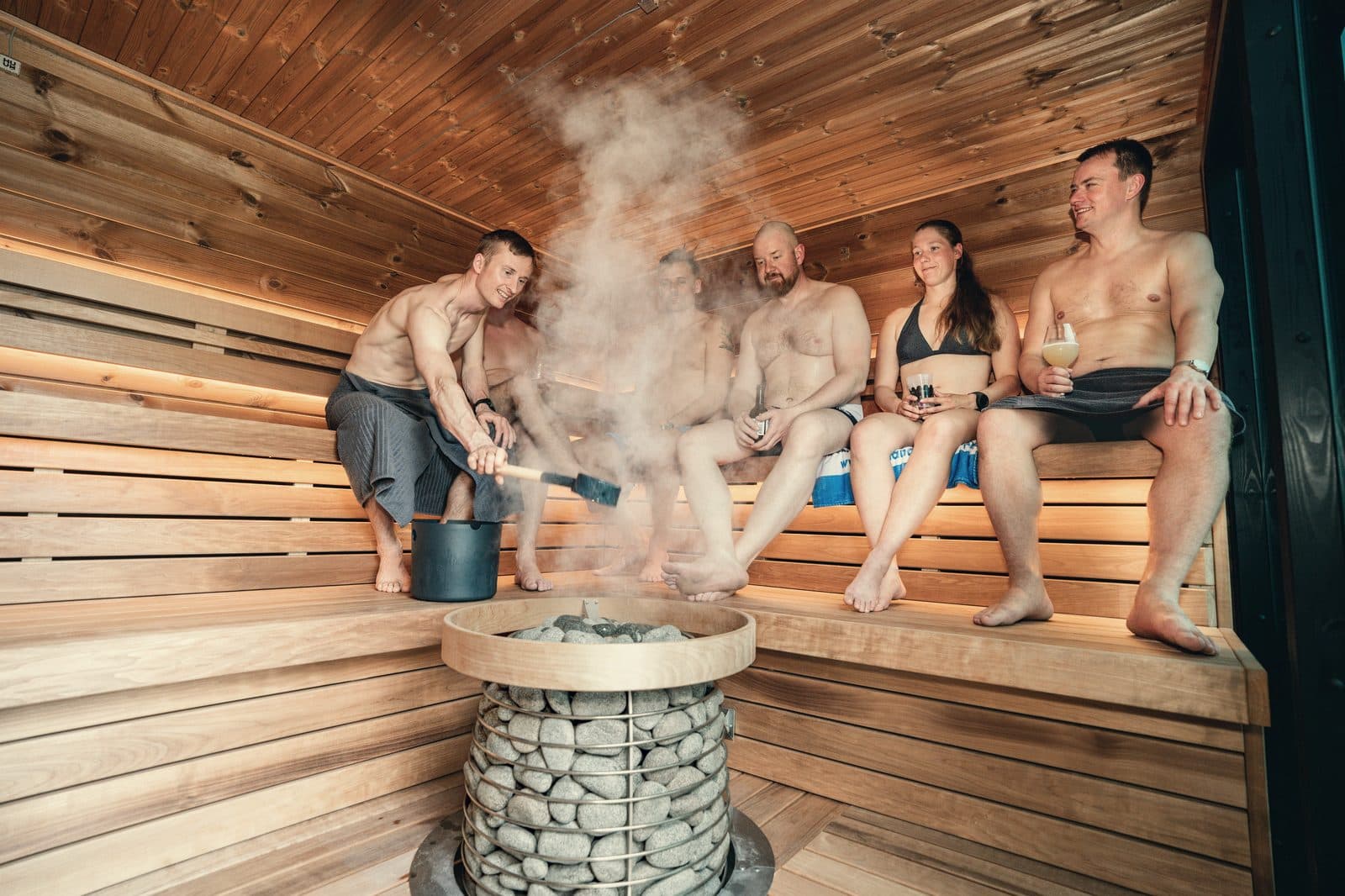
Public liability insurance covers injury to customers and third parties, and damage to other people's property, arising from your business activity. For a sauna operator this is the central policy: burns, slips on wet decking, a reaction during a session, an ember burn to a parked car.
It is not a legal requirement — but it is commercially unavoidable. £5 million is the practical minimum, and most councils, landowners, venues and events require proof of it before you trade. Aberdeenshire Council, for example, mandates £5m cover for its mobile sauna street trading licence. Some fixed leisure sites and larger events expect £10 million.
Product liability — covering claims arising from products used or sold during sessions (oils, drinks, whisks) — is usually bundled with public liability. Check that it is, rather than assuming.
Employers' liability — the legal one
If the business employs anyone, employers' liability insurance is required by law under the Employers' Liability (Compulsory Insurance) Act 1969. The statutory minimum is £5 million, and trading without it carries fines of up to £2,500 per day.
"Employs anyone" is broader than a payroll. Casual session hosts, weekend cover, a friend helping at a festival for cash — depending on the arrangement, these can count as employees for the purposes of the Act. The status of volunteers and self-employed freelancers varies with the facts of the arrangement, so describe your actual staffing to the insurer and let them confirm what the policy treats as an employee. Guessing wrong here is expensive in both directions: a fine if you should have had cover, a rejected claim if someone working for you was not declared.
Property, stock and business interruption
Liability cover protects other people. This group protects the business itself:
- Property and contents — the sauna structure, stove, fit-out, changing facilities, and stock. For a wood-fired unit, fire is the obvious named peril; theft matters more than most operators expect, particularly for trailers and towable units.
- Business interruption — replaces lost revenue while the business cannot trade after an insured event such as fire, flood or theft. Policies typically cover 12–24 months. For a single-unit operator this is worth taking seriously: if the one sauna burns, revenue is zero until it is replaced.
The common failure here is underinsurance — insuring the sauna for what it cost rather than what it would cost to replace today, including delivery, installation and groundworks. If the sum insured is materially below true replacement cost, insurers can reduce a payout proportionately. Revisit the figure when you renew, not just when you buy.
Mobile operators: transit, trailer and towing
Mobile operation adds a layer of cover that fixed-site operators never think about, and it is where the most surprising gaps live.
- Towing vehicle — the vehicle needs motor insurance appropriate to business use. Declare that it tows a commercial trailer.
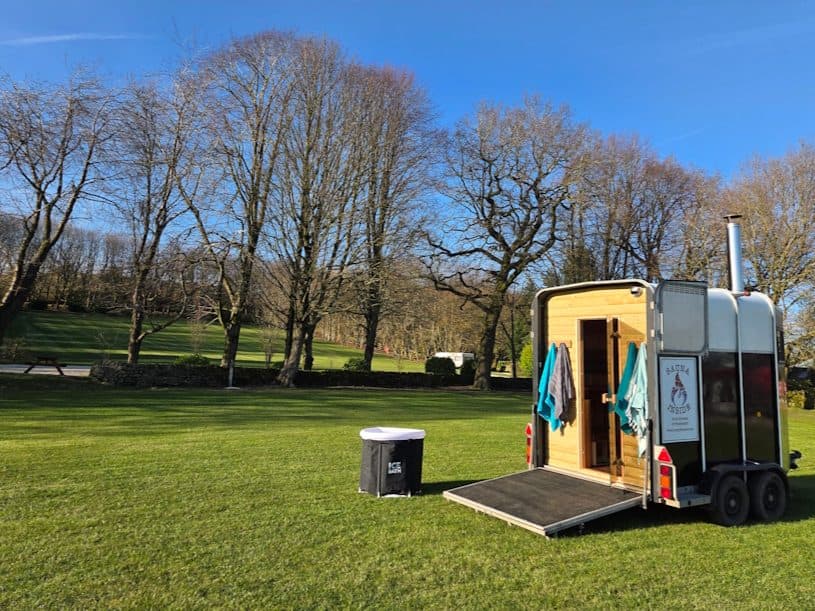
- The trailer itself — this is the gap that catches people. Standard vehicle insurance covers only third-party liability for an attached trailer. It does not cover damage to, theft of, or fire in the trailer. A converted horsebox worth £25,000 parked overnight in a yard is uninsured against theft unless it has its own policy.
- Goods in transit — covers damage to the sauna and equipment while being moved, a distinct risk not covered by public liability or the motor policy.
Trailer policies come with security warranties — specified hitch locks, wheel clamps, or storage requirements. These are conditions, not suggestions: failing to meet them at the time of a theft is a standard reason for claims being rejected. Fit exactly what the policy specifies and keep the receipts.
Trading on other people's land, and events
Most sauna businesses trade on land they do not own — a beach pitch, a farm corner, a campsite, a festival field. The landowner's requirements become part of your insurance picture:
- Pitch agreements commonly specify a minimum public liability level (usually £5m) and require you to indemnify the landowner against claims arising from your activity. Read what you are agreeing to indemnify — it should match what your policy actually covers.
- Councils issuing street trading or foreshore licences will ask for your certificate of insurance, and some name their own required cover levels.
- Festivals and events may require event-specific cover, commonly including cancellation protection, and will usually want documents well in advance.
Every location you trade at should be declared to your insurer. Trading at an unlisted location is one of the standard ways cover fails — see the exclusions section below.
What insurers ask for
Expect the underwriting process to be document-heavy. A specialist insurer quoting a wood-fired sauna business will typically want:
- a written risk assessment and health and safety plan
- evidence of a competent stove installation — a HETAS certificate or equivalent documentation where applicable
- site photos of the unit, stove, spacing and surroundings
- your health screening process for customers
- session format, capacity, staffing, and details of any cold-water provision
- trading locations and any event work
This paperwork does double duty. It gets you a quote, and it is also the evidence base if you ever need to defend a claim — an operator who can produce a signed risk assessment, screening records and maintenance logs is in a much stronger position than one who cannot. The compliance work described in the business setup guide is, in effect, also your claims defence file.
The gaps that surface at claims time
Most disputes are not about whether a policy existed but whether the business was operating inside its terms when something went wrong. The recurring failure points:
- Operating outside declared terms — trading at unlisted locations, exceeding stated capacity, or running activities not disclosed to the insurer. Breathwork sessions and guided cold exposure are the common examples: added to the schedule they are usually insurable, run undeclared they can void cover entirely.
- Undeclared cold water — plunge tubs, ice baths and guided sea dips must be explicitly declared. Cold-water immersion is a materially different risk from sauna heat and insurers treat it as such.
- Security warranties not met — the trailer theft scenario above.
- Health screening not administered — where a policy assumes a screening questionnaire and a claim arises from a customer who was never screened, expect the claim to be challenged.
- Alcohol — incidents involving intoxicated customers remain a risk area even where drinking is prohibited. A stated right to refuse intoxicated guests, actually enforced, is the practical mitigation.
The waiver myth
Customer waivers are worth having — they document informed consent and support your screening process. What they cannot do is remove liability. Under the Unfair Contract Terms Act 1977, a business cannot exclude or restrict liability for death or personal injury caused by negligence. No signature overrides this. A waiver is part of the evidence file, not a substitute for insurance.

What it costs
Premiums are bespoke — every quote reflects the specific stove, sessions, locations and history — but indicative ranges from current market data:
- Public liability (£5m): £200–£500 per year
- Combined business package (liability, property, contents): roughly £300–£1,200 for a small fixed operator; £500–£1,500 for a mobile operation
- Trailer insurance: £150–£400 per year depending on value
What moves the premium up: a wood-burning stove rather than electric, cold-water features, open-water access, event and festival trading, higher capacity, and claims history. None of these are reasons to leave things undeclared — an excluded claim costs incomparably more than the premium difference.
Set against the numbers in the business guide's cost section, insurance is a small line in the budget of a business whose single biggest asset sits outdoors, burns wood and hosts the public. It is not the place to economise.
Choosing a broker
The UK specialist market is small but real, and it is worth staying inside it. The British Sauna Society publishes a broker directory; the names that come up repeatedly:
- Insurelink (Lowestoft) — runs the dedicated saunainsurance.co.uk site and is the most prominent UK specialist; covers the sauna, towing vehicle, cold-water therapy equipment and wild swimming activities
- JMG Sandbach (Manchester) — comprehensive mobile sauna packages including liability, goods in transit, interruption and product liability
- Park Insurance (Bristol) — long-established specialist leisure broker
- Balens — specialist in health and wellbeing professionals
- Blythin & Brown and Beech Tree Insurance — both on the BSS directory
- Livingstones — fixed-site sauna and spa
Get two or three quotes and compare them on cover terms, not premium alone: what activities are named, what the security warranties require, how cold water is treated, and what the excess is. The cheapest schedule with the wrong activities listed is the most expensive policy you can buy.
Next steps
Insurance slots into the wider setup work: How to Start a Wood-Fired Sauna Business in the UK covers the legal structure, regulation and costs around it, and the mobile sauna business guide goes deeper on towing, trailers and trading on other people's land. If the build itself is still ahead of you, start with planning permission.
Frequently asked questions
- No — but it is commercially unavoidable. Councils, landowners, venues and events almost always require proof of cover (typically £5 million) before you can trade, and operating without it leaves the business personally exposed to injury claims.
- Yes, if the business employs anyone — under the Employers' Liability (Compulsory Insurance) Act 1969, with a statutory minimum of £5 million and fines of up to £2,500 per day for non-compliance. Casual and part-time staff can count as employees, so confirm your staffing arrangement with your insurer.
- No. Under the Unfair Contract Terms Act 1977, a business cannot exclude or restrict liability for death or personal injury caused by negligence, and no signed waiver overrides that. Waivers are still worth using as evidence of informed consent and health screening — but they support insurance, they do not replace it.
- Indicatively: £200–£500 per year for £5m public liability, £300–£1,500 for a combined business package depending on whether you are fixed-site or mobile, and £150–£400 for trailer cover. Wood-fired stoves, cold-water features and festival trading all push premiums up. Exact figures need a bespoke quote from a specialist broker.
- Yes, explicitly. Cold-water immersion is treated as a materially different risk from sauna heat, and running plunge tubs, ice baths or guided swims without declaring them is a standard reason for cover being voided at claims time.
- No. Home policies exclude business use, and running undeclared commercial activity from home can put the whole home policy at risk. Once money changes hands, you need business cover — public liability at minimum, arranged through a broker who knows what the sauna is and how it is used.
Is public liability insurance legally required for a sauna business?
Is employers' liability insurance legally required?
Do customer waivers protect a sauna business from being sued?
How much does sauna business insurance cost in the UK?
Do I need to tell my insurer about a cold plunge or ice bath?
Does home insurance cover a garden sauna used for paying customers?
Related guides
How to Start a Wood-Fired Sauna Business in the UK
A practical guide to starting a commercial wood-fired sauna business in the UK — covering business models, legal setup, planning, regulations, insurance, costs, operations, and common mistakes.
Running a businessHow to Start a Mobile Sauna Business in the UK
A practical guide to starting a mobile sauna business in the UK — covering trailers, towing, pitching, operations, unit economics, insurance, and common mistakes.
Building & planningPlanning Permission for a Wood-Fired Sauna in the UK
Permitted development rules, building regulations, flue requirements, and what you actually need to do before installing a wood-fired sauna in your garden.