Wood-Fired vs Electric Sauna: What’s the Difference?
Both wood-fired and electric saunas heat stones and produce good steam. The difference is in how they get there — and the practical consequences of that choice for installation, cost, maintenance, and daily use. This guide covers those differences so you can decide which suits your situation.
How each type heats
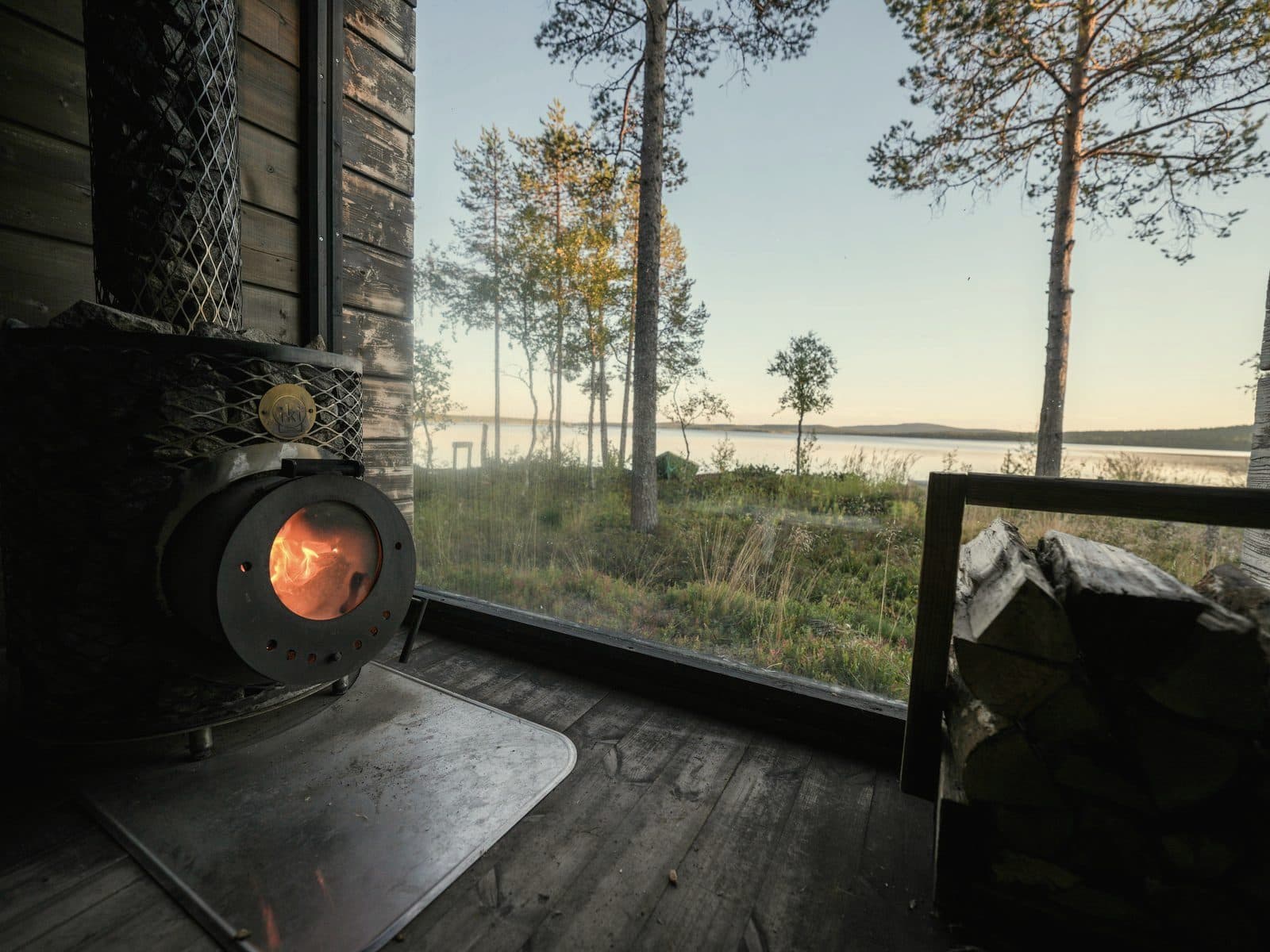
A wood-fired sauna uses a solid-fuel stove with an integrated firebox. Logs burn inside the stove, and the combustion heat transfers to a mass of stones sitting on top or around the firebox. The exhaust gases vent through a flue or chimney. Temperature is controlled manually — you adjust the air damper and add fuel as needed.
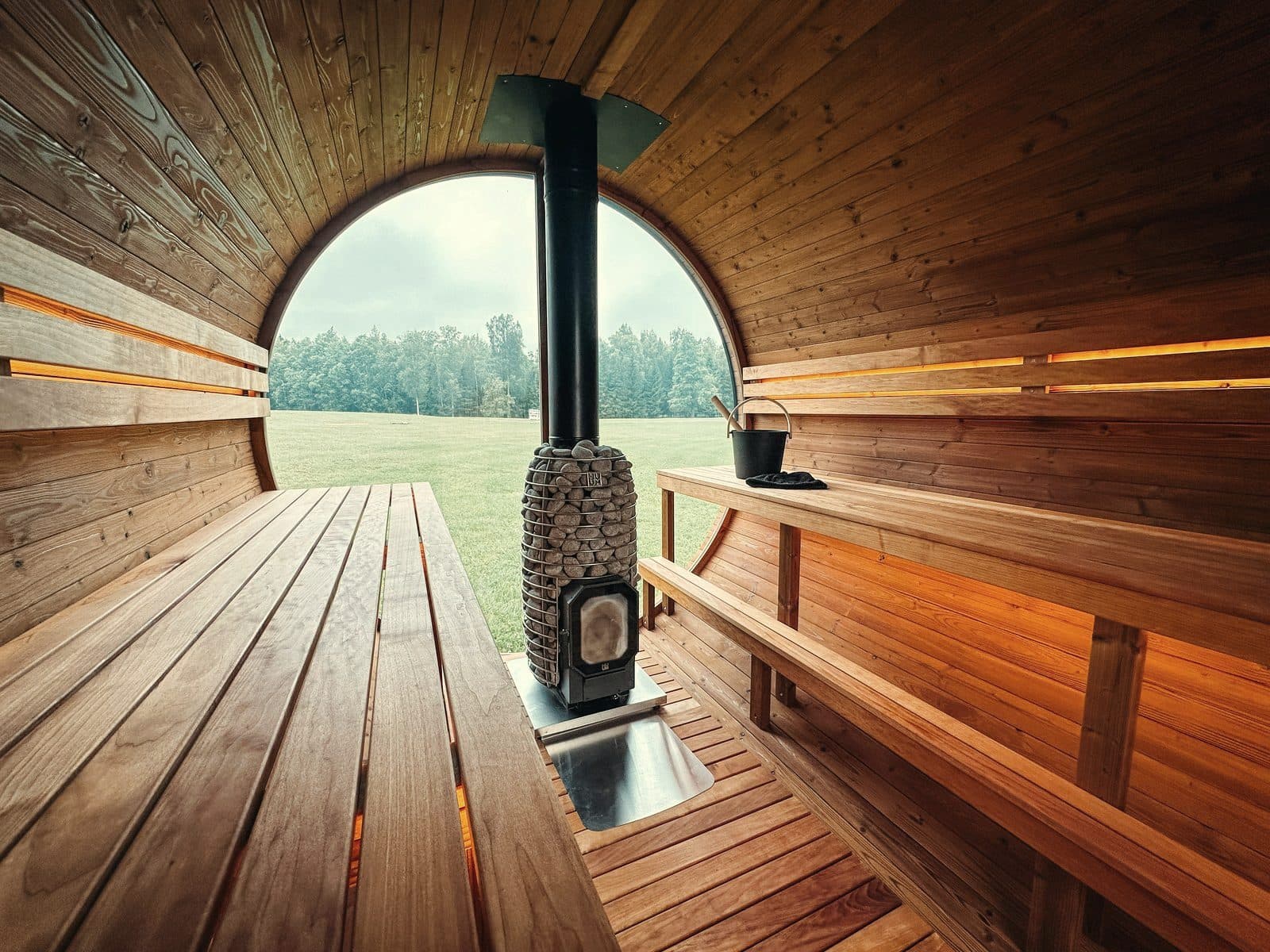
An electric sauna uses resistance heating elements to warm a basket of stones. The heater is wired into the mains supply and controlled by a thermostat, often with a timer or remote panel. You set a target temperature, and the heater maintains it automatically.
One physical difference worth noting: wood-fired stoves often accommodate a larger stone mass than standard wall-mounted electric units. A bigger stone mass stores more heat and can produce more sustained steam when water is thrown on the stones — what Finnish sauna culture calls löyly. That said, high-end electric heaters with large stone reservoirs can narrow this gap.
Electric heaters typically reach operating temperature in 30–45 minutes. Wood-fired stoves take longer — commonly an hour or more, depending on the stove size, insulation, and how dry the wood is. Some larger stoves or poorly insulated cabins may need considerably longer.

What the session is like
This is where personal preference matters most, and where claims are hardest to verify. What follows reflects commonly reported perceptions, not measured facts.
Wood-fired: Many regular users describe the heat from a wood-fired stove as softer or more layered than electric. Whether this is a real physical property of the heat or simply the effect of a larger stone mass and natural air circulation is debatable. What is not debatable is the sensory context — the sight of flames through the firebox glass, the sound of burning timber, and the faint smell of wood smoke. For some people, lighting the fire and tending it over the course of an hour is part of what makes the session worthwhile. For others, it is a chore.
Electric: The appeal is consistency and low effort. Switch the heater on (or set a timer), wait 30–40 minutes, and the sauna is at temperature. No fire to manage, no smoke, no ash. The heat is steady and controllable. If you want to use a sauna three or four times a week without much preparation, electric makes that practical.
Neither is objectively better. The question is whether the fire ritual adds to the session for you, or whether you would rather skip it.
Installation requirements
The two types have quite different installation profiles. Neither is universally simpler — each involves specialist work that the other avoids.
Wood-fired
- An insulated, double-walled flue or chimney routed through the roof or wall
- A non-combustible hearth beneath the stove
- Safety clearances from combustible surfaces — typically 300–500mm to side and back walls, though heat shields can reduce these distances
- Adequate fresh air intake to feed combustion
- Space for log storage nearby
For installations attached to or inside a dwelling, a HETAS-certified installer is generally required. For standalone garden structures, the rules vary by local authority — check before committing.
Electric
- A dedicated high-amperage circuit, installed by a qualified electrician
- Compliance with Part P (electrical safety in dwellings) and BS 7671 Section 703, which sets specific requirements for electrical installations in saunas
- Heat-resistant cabling rated to approximately 170°C within the hot zones of the cabin
- RCD (residual current device) protection on the supply
- The control panel mounted outside the hot room
Most UK homes run on a single-phase supply. Standard domestic electric heaters (up to around 8–9kW) typically work on single-phase, but some higher-output models may need a three-phase supply — which is uncommon in domestic settings and can be expensive to install. Check with an electrician before ordering.
A note on complexity
It would be easy to say electric is simpler to install because there is no chimney. But running a dedicated high-amperage circuit to a garden outbuilding — including trenching, weatherproof enclosures, and BS 7671 compliance — can be a significant job in its own right. The trade-off is between chimney infrastructure (wood) and electrical infrastructure (electric), not between complex and simple.
Both types require adequate ventilation and clearances around the heater, regardless of fuel source.
Running costs
A definitive answer on which is cheaper to run does not exist. Costs depend on electricity tariffs, wood fuel prices, heater size, insulation quality, and how often you use the sauna. What follows are illustrative figures, not guarantees.
Illustrative UK figures
One UK sauna specialist (Finnmark Sauna) published the following estimates based on April 2025 energy prices, assuming three sessions per week:
- Electric (6kW heater): approximately £24–£30 per month
- Electric (9kW heater): approximately £36–£40 per month
- Wood-burning: approximately £48–£72 per month (using purchased kiln-dried wood)
A rough calculation supports the electric figures: a 6–9kW heater running for one hour uses 6–9 kWh of electricity. At approximately 30p per kWh, that is £1.80–£2.70 per session. Electricity prices change with the Ofgem cap, so this should be checked against current rates.
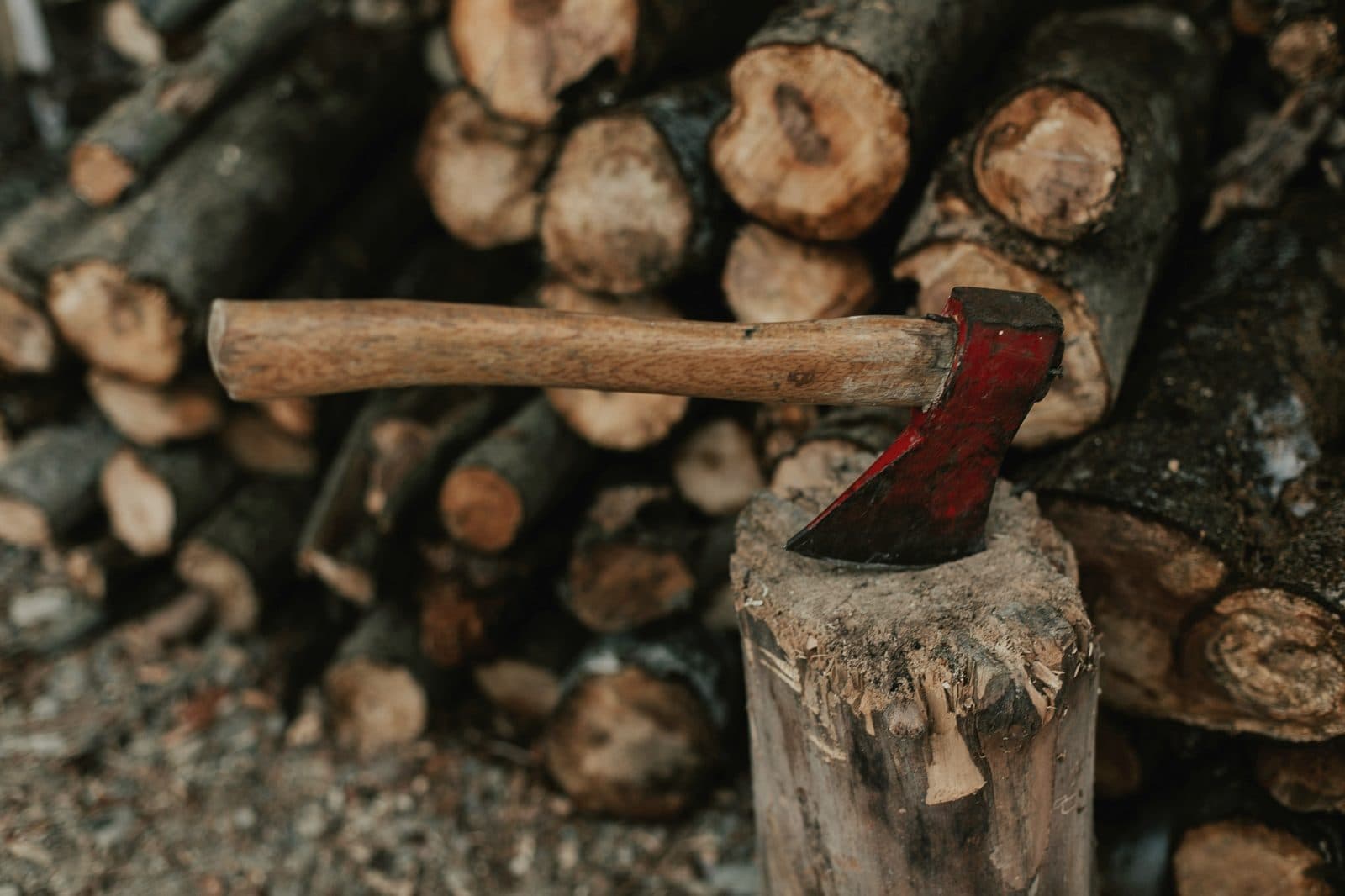
Wood fuel costs are more variable. If you have access to free or low-cost wood and space to store and season it, the running cost can drop to near zero. If you are buying kiln-dried hardwood by the bag, it is the more expensive option.
Upfront costs
Electric heaters are generally cheaper as standalone units, but the electrical work — dedicated circuit, cabling, and professional installation — adds to the total. Wood-fired stoves are mid-range in price, but a flue system typically costs £300–£700 or more on top.
The same Finnmark Sauna commentary notes that at current UK prices, the running cost difference between wood and electric is not large enough to be the deciding factor for most buyers. Convenience, installation constraints, and how you want the session to feel tend to matter more.
Planning and regulations
Both types are subject to UK building regulations, but the specifics differ.
Wood-fired
- Part J (heat-producing appliances): Covers clearances to combustible materials, chimney construction, and fire safety for solid-fuel installations.
- Smoke control zones: If your property is in a designated smoke control area, a wood-fired stove must either be on the DEFRA-approved exempt appliance list or burn authorised smokeless fuel. The exempt list for dedicated sauna stoves may be more limited than for domestic wood-burners — check before assuming a particular stove is compliant.
- HETAS certification: For installations inside or attached to a dwelling, a HETAS-certified installer is normally expected. Requirements for standalone garden buildings vary by local authority.
Electric
- Part P (electrical safety): All electrical work in a dwelling (including garden outbuildings supplied from the house) must comply with Part P. A dedicated sauna heater circuit is notifiable work requiring a qualified electrician.
- BS 7671 Section 703: The UK wiring regulations include specific provisions for saunas as “special locations” — covering temperature zones, cable ratings, and equipment suitability.
Both types
- Insurance: Notify your home insurer before installing either type. Some insurers treat wood-burning appliances differently from electrical ones. There is no reliable data on how much this affects premiums, but getting confirmation in writing avoids problems later.
- Local authority: Rules vary. If you are unsure whether your installation needs planning approval or building control sign-off, contact your local authority before starting work.
Maintenance
How much ongoing work each type requires is one of the clearest practical differences.
Wood-fired
- Ash removal after every one or two uses. Ash should be stored in a metal, lidded container and kept away from buildings until fully cooled.
- Flue sweeping by a professional at least once a year to prevent creosote build-up.
- Firebox inspection — check grates, door gaskets, and linings periodically for wear.
- Burn only dry, well-seasoned wood to reduce tar and ash residue.
Electric
- Element replacement every 5–10 years, depending on use. Elements can fail if stones are packed too tightly.
- Periodic inspection by a competent electrician, in line with BS 7671 guidance.
- No ash, no soot, no sweeping.
Both types
- Stones need checking and partial replacement roughly once a year. Thermal shock causes stones to crack and settle over time — replacing around 30–50% annually keeps airflow and heat transfer working properly.
- Ventilation should be checked periodically. Both types need good air circulation to perform well and to manage moisture.
Which suits your situation
These are patterns, not rules. Your site, budget, and preferences may point in a different direction.
Electric tends to suit:
- Urban and suburban settings where mains power is available
- Frequent users who want a sauna three or more times a week without preparation time
- Indoor conversions — garages, basements, extensions
- Properties in smoke control zones
- Commercial operators, who typically standardise on electric for predictable safety, programmable sessions, and lower staff training requirements
Wood-fired tends to suit:
- Rural or semi-rural settings with outdoor space
- People who value the fire ritual and are willing to spend time on it
- Off-grid or remote installations where mains power is not available or prohibitively expensive to connect
- Dedicated outdoor sauna builds where the chimney is straightforward
Either works well for:
- Garden outbuildings with reasonable access to both power and open air
- Anyone willing to invest in a well-made stove of either type
If you have not tried both, it is worth doing so before committing to a build. The operator directory lets you filter by heat source — book a wood-fired session and an electric one, and see which you prefer in practice.
Next steps
If you are ready to start comparing builders, the builder directory lists UK sauna builders by region and build type.
Frequently asked questions
- A wood-fired sauna uses a solid-fuel stove and chimney to heat stones, with manual temperature control via air dampers. An electric sauna uses mains-powered resistance elements with a thermostat. Wood-fired stoves take longer to heat (an hour or more) but often hold a larger stone mass. Electric heaters reach temperature in 30–45 minutes and require less ongoing effort.
- At 2025 UK energy prices, an electric sauna (6–9kW heater, three sessions per week) costs roughly £24–£40 per month. Wood-fired costs £48–£72 per month using purchased kiln-dried wood, but can drop to near zero if you have access to free wood. The difference is not large enough to be the deciding factor for most buyers.
- It depends on the installation. Wood-fired saunas must comply with Part J (heat-producing appliances) and may require a HETAS-certified installer if attached to a dwelling. Electric saunas need Part P compliance and a qualified electrician. Both types may need local authority approval — check before starting work.
- Yes, but the stove must be on the DEFRA-approved exempt appliance list or burn authorised smokeless fuel. The exempt list for dedicated sauna stoves may be more limited than for domestic wood-burners — check before assuming a particular stove is compliant.
- Sauna stones should be checked and partially replaced roughly once a year, regardless of whether the heater is wood-fired or electric. Thermal shock causes stones to crack and settle over time — replacing around 30–50% annually keeps airflow and heat transfer working properly.
What is the difference between a wood-fired and electric sauna?
Is a wood-fired or electric sauna cheaper to run in the UK?
Do I need planning permission for a sauna in the UK?
Can I install a wood-fired sauna in a smoke control zone?
How often do sauna stones need replacing?
Related guides
Beginner’s Guide to a Wood-Fired Sauna Visit
First wood-fired sauna visit? What to bring, how long to stay, session structure, cooling down, safety and etiquette — a practical UK guide for beginners.
Building & planningHow to Choose the Right Sauna Builder
What to ask, what to look for, and common mistakes to avoid when commissioning a sauna build in the UK.
Browse the directory
The monthly digest
New saunas and new guides, once a month. No spam, unsubscribe any time.